National parks already have the threads
National parks don't need "Platinum Canyon Elite" status. But they do have passes, app usage, shuttles, repeat visits, junior ranger moments, volunteer days, family milestones, and off-peak behavior. That's loyalty hiding in public land infrastructure.
Everyone who has ever planned a national park trip has met the same tiny goblin: the browser tab goblin. One tab for the entrance pass. One for the shuttle. One for whether timed entry exists this year. One for the trail closure. One for the app. One for the campground you definitely should have booked six months ago, which is a fun way to learn humility.
And then, after all of that, you still show up at the entrance gate behind 400 cars whose collective plan appears to be "vibes."
This is not a complaint. Well, okay, it is a little bit a complaint. But mostly it is a loyalty observation.
The National Park Service is not a coffee chain, airline, or hotel group. It should not act like one. Nobody needs "Platinum Canyon Elite" status with priority access to a sunset. Please do not make me say that sentence to a committee.
But the parks already have loyalty hiding everywhere: passes, repeat visits, family traditions, junior ranger moments, annual trips, local regulars, app usage, shuttle behavior, donations, volunteering, and the soft-but-real identity of being "a national parks person."
That is loyalty. It just does not want to be called a points program.
The signals are already there
The National Park Service manages more than 400 parks, according to its app page, and the official NPS app offers maps, tours, accessibility information, and planning tools. Its entrance passes page lays out the raw materials: standard passes, park-specific annual passes, and the America the Beautiful interagency pass. Some parks require reservations. Others do not. The system is already full of signals.
From the outside, it looks less like a lack of loyalty and more like a patchwork of useful behaviors that are not stitched together for the visitor.
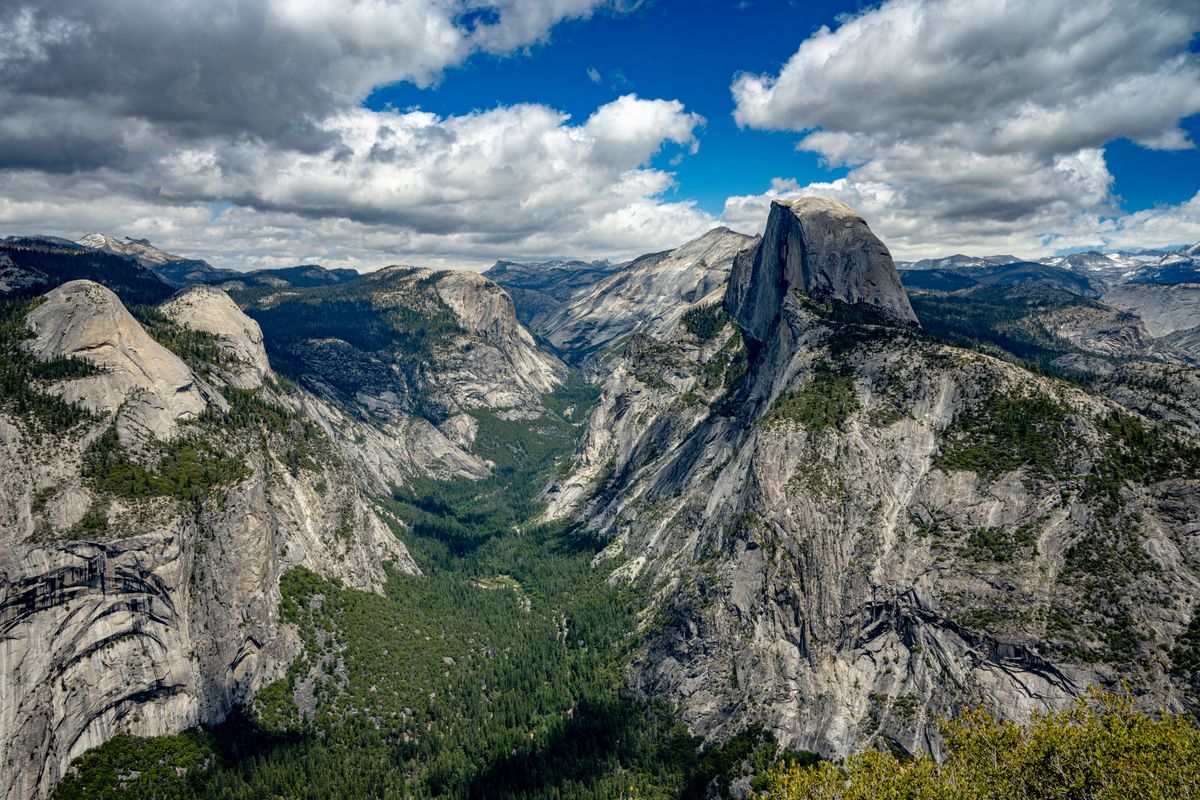
Yosemite is a good example. The park says it will not use a timed reservation system in 2026 after reviewing 2025 traffic, parking, and visitor use. Instead, it plans to keep using active traffic management strategies.
Glacier is taking a different route. Vehicle reservations will not be required in 2026, but the park is piloting ticketed-only shuttle service and limited timed parking at Logan Pass.
Grand Canyon says no reservation is needed for entry and no timed entry is required. It also notes that the park draws more than 5 million visitors annually and advises people to visit during less busy periods, come on weekdays, and arrive before 10 a.m. or after 2 p.m. during high visitation.
That is the loyalty program right there, waving a tiny ranger hat.
What a better recognition layer could look like
Not "buy nine geysers, get the tenth free." More like: recognize the visitors who help the system work better.
A smarter National Parks loyalty layer would reward stewardship, planning, and good timing. It would make the best visitor behavior easier to see, easier to repeat, and easier to feel proud of.
Imagine a "Park Steward" profile inside the NPS app. Not a leaderboard. Not a status flex. A personal record of how someone participates in the park system.
You could see the parks you have visited, passes you have held, ranger programs completed, shuttle rides taken, volunteer days logged, donations made through official partners, and off-peak visits that helped reduce crowding. Families could keep household milestones together: first park, first junior ranger badge, first accessible trail completed, first winter visit, tenth park, first volunteer cleanup.
The recognition would be gentle. A better trip checklist. A note from a park foundation. Early education content for the park you are visiting next. A reminder that "you usually visit crowded parks on Saturdays; here are quieter windows." Maybe a small reward from an approved partner for taking the shuttle instead of driving to the most congested lot on Earth like Mad Max with granola bars.
The trick is that the incentives have to point in the right direction.
A bad parks loyalty program would create scarcity theater. It would reward people for collecting fragile destinations, chasing badges at overcrowded sites, or treating public land like a premium lounge. Gross. Throw it in the compost bin.
A good one would recognize behavior that helps access, preservation, and visitor experience coexist without needing seventeen PDFs and a blood oath.
Where Loom Loyalty would fit
This is where Loom Loyalty would fit, if we were sketching the infrastructure from the outside.
Loom would not be the shiny coupon layer. The parks do not need a confetti animation every time someone finds a restroom. They need a durable way to connect signals that already exist across surfaces.
Pass purchase. App download. Park saved for offline use. Shuttle ticket reserved. Entrance scanned. Ranger program completed. Volunteer shift logged. Donation made. Accessibility guide viewed. Off-peak visit completed. Household member added.
Those events could flow into an append-only loyalty ledger, which is a deeply nerdy phrase that basically means: keep the history clean, reliable, and reconstructable. No spreadsheet séance. No "who overwrote the visitor segment called FINAL_final_v3." Just a record of what happened, when, and under which rules.
On top of that, Loom could support tiers or recognition states, but the tiers would need better names than Bronze, Silver, and Gold. This is public land. We can do better than airport cosplay.
Think "Local Steward," "Junior Ranger Family," "Shuttle Champion," "Off-Peak Explorer," "Volunteer Contributor," or "Annual Pass Regular." These would not be about superiority. They would help product, lifecycle, and visitor teams understand what kind of relationship someone has with the park system.
Rewards could be practical: planning help, better reminders, personalized prep lists, partner discounts where appropriate, donation matching moments, invitations to volunteer days, ranger-led digital content, or recognition from a park foundation. The value is not "free stuff." The value is being known in a way that makes the next visit smoother and the system healthier.
The relationship is the point
The customer hub matters too. National park trips are often household experiences. Parents plan them. Kids remember them. Grandparents buy passes. Friends coordinate entry windows. A loyalty system that only understands one email address and one transaction misses the actual shape of the relationship.
That is the part most brands miss, by the way. They think loyalty lives at checkout. Sometimes it does. But sometimes it lives in the minivan, somewhere between "did you pack the sunscreen?" and "why is there no service?"
For NPS-style experiences, loyalty is lifecycle infrastructure. It is knowing who is new and needs basics, who is a repeat visitor and can be nudged toward less crowded times, who prefers accessible routes, who uses shuttles, who volunteers, who donates, who brings kids, and who might respond to conservation education before they arrive.
The business outcome is not simply more visits. In some parks, "more visits" is exactly the wrong goal. The better outcome is better-distributed demand, fewer confused visitors, stronger stewardship, more useful communication, and a relationship that survives beyond one crowded Saturday.
That last part matters. The parks already have emotional loyalty most brands would hike barefoot for. People plan proposals there. They take kids there. They scatter ashes there. They return to the same overlook for decades. The relationship is enormous.
The infrastructure just has to respect it.
So no, the National Park Service does not need a punch card. It needs a recognition layer that understands access, stewardship, households, milestones, and timing. It needs loyalty that feels less like a mall kiosk and more like a ranger saying, "You have been here before. Here is how to make this visit better."
That is the thread worth pulling.
If your customer experience has loyalty threads worth pulling, let's talk fit.